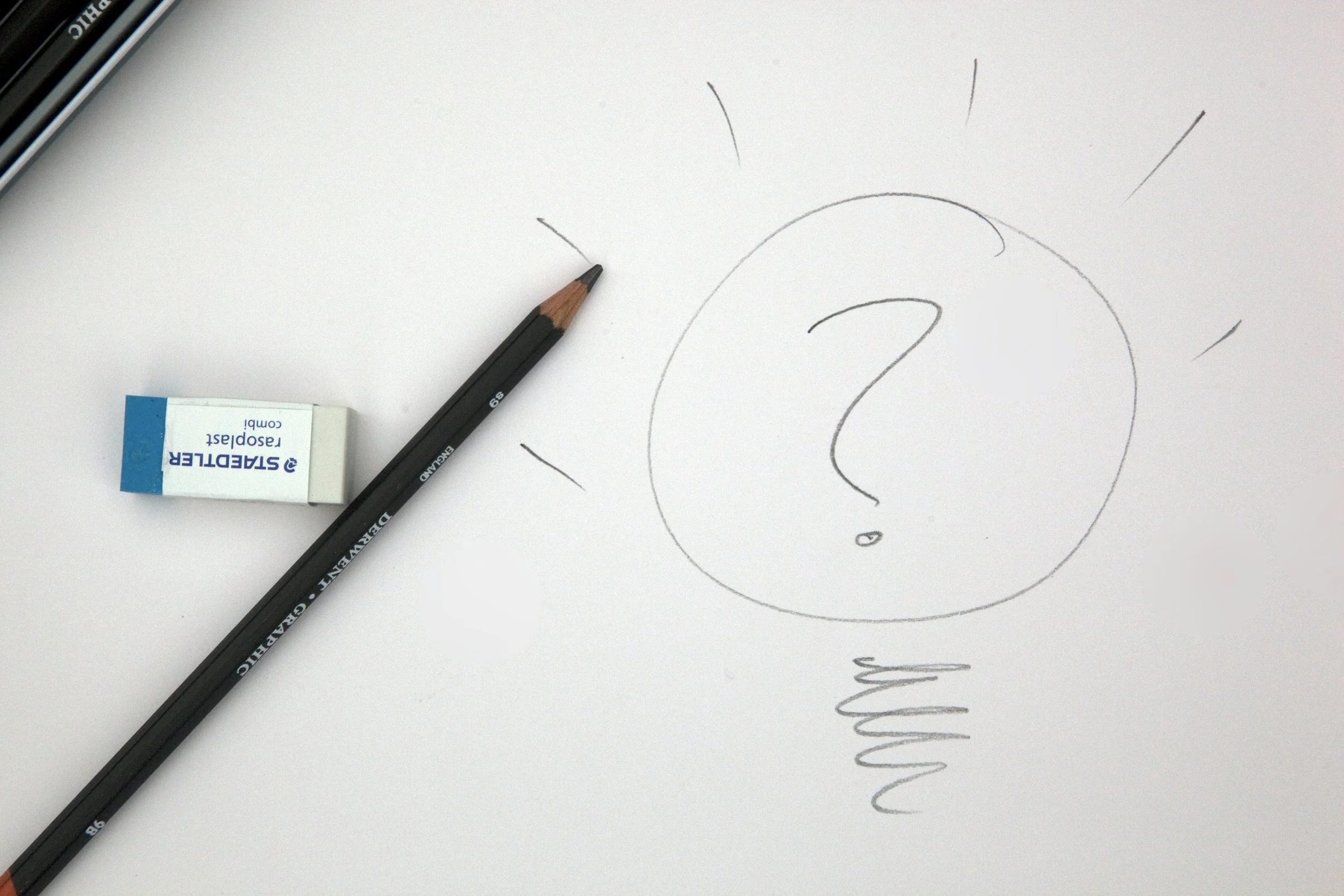
If you've ever sat down to start a business and felt your stomach drop a little — that mix of excitement and "wait, where do I even begin?" — I want you to know something first: you are not alone, and you are not behind. Every single client I work with starts exactly where you are right now.
Over the years, I've had the same handful of questions come up again and again, from founders launching their very first product to seasoned entrepreneurs pivoting into something new. I've come to love these questions, because they're the ones that matter most, and answering them sets the foundation for a strong business launch. So I wanted to pull them together in one place, with real, honest answers — the kind I'd give you over coffee, not a canned script.
Here are the five questions I get asked the most.
1. "Where do I even start?"
This is, hands down, the question I hear first — and I get why. Staring down a brand-new business can feel like standing at the base of a mountain with many paths and no map. There are a hundred things that feel urgent, and it's genuinely hard to know which one to tackle first. That paralysis is one of the most common reasons great ideas never make it off the napkin.
Here's the good news: you don't need to see the whole mountain to take the first step. All you need is a plan.
When we start working together, the very first thing we do is build an overarching roadmap : a clear, sequenced path that takes you from exactly where you're standing today all the way through to launch day and your first sale. We break that big, intimidating goal into smaller, bite-sized categories and steps, so instead of the open-ended "start a business" (terrifying), you have a series of manageable tasks you can actually check off (empowering).
And just as importantly, you won't be doing this alone. I'll be with you at every stage, so when new questions pop up (as they will), you'll have someone in your corner who already knows your business and your goals.
2. "How do I price my product?"
Ah, pricing. This is the question that keeps founders up at night, and for good reason — get it wrong, and it can quietly undermine an otherwise great business.
Here's my honest, hard-won philosophy: price for healthy margins, even if it means a higher price tag.
I know that can feel counterintuitive, especially when you're eager to be competitive. But here's the thing — customers will absolutely pay for quality products that come with a genuine story behind them. Your job isn't to be the cheapest option on the shelf; it's to find and speak to the customers who value what makes your product special. That's a marketing and positioning challenge, and it's one we can solve.
Compare that to the alternative: pricing with razor-thin margins. It might feel easier in the short term to offer your customers lower prices, but it leaves almost no room for the unexpected — a shipping delay, a material cost increase, a slow month. And every business, especially a new one, will hit unexpected costs. Thin margins turn small bumps into big crises.
So together, we'll take a hard look at the retail landscape in your category — whether that's skincare, apparel, jewelry, or something else entirely — and map out your sales paths so your pricing isn't a guess, it’s a solid strategy.
3. "How do I find and reach my customers?"
You know your product is amazing. You can feel it — and you're right. But knowing your product is great and knowing how to get it in front of the people who will love it are two very different things, and this question comes up with almost every client I work with.
Here's where we start: defining your ideal customer. Not in a vague, "everyone could use this" kind of way, but really imagining a specific person. What does their day actually look like? What do they care about? Where do they shop — online, in boutiques, at farmers markets? Where do they live, and what does their lifestyle look like? The more clearly you can picture this person, the more useful this exercise becomes.
This isn't just a marketing exercise, it's foundational, and it should shape decisions much earlier in your process than you might think. When you have a clear picture of your ideal customer, you can ask yourself honestly: am I actually solving this person's real need? Am I offering something that makes their life better? That question alone can save you from building a beautiful product that nobody's actually looking for.
And once your product is dialed in, that same customer profile becomes your compass for marketing. Instead of throwing messages out into the void and hoping something sticks, you'll know exactly who you're talking to, where to find them, and what language will resonate. It turns "how do I reach my customers" from an overwhelming question into a focused, doable plan.
4. "How much will it cost?"
This one is deeply personal to every business, and there's no universal number I can hand you, but that doesn't mean it should be a mystery. In fact, having a clear-eyed view of your overall budget is one of the most grounding things you can do for your peace of mind (and your business's health).
We'll look at the full picture together: the cost of materials, the cost of actually producing and shipping your product, how your timeline affects both of those, and then layer in the often-overlooked pieces : marketing and your website. It's easy to budget for the product and forget that getting people to find it costs something too.
By the end of this process, you'll walk away with a detailed, realistic budget — not a rough guess, but a living document you can return to again and again to make sure you're staying on track as your business grows.
5. "How long will it take?"
Just like cost, timeline is unique to every business, but it's also something we can plan for with intention. We'll build a detailed calendar that accounts for your product's specific development timeline, and just as importantly, the time you can realistically commit given everything else going on in your life. There's no prize for burning yourself out on an unrealistic schedule — the plan should work for you, not against you.
One thing I always encourage clients to think about is the difference between two very different milestones: time to launch (the day your website goes live and customers can buy from you) and time to profitability (the day your business is actually sustaining itself). These are often separated by a much longer runway than people expect, and that's completely normal. Knowing that going in helps you stay patient and motivated instead of discouraged when profitability doesn't happen overnight.
The Takeaway
If there's one thing I want you to walk away from this post with, it's this: every question on this list is answerable. None of them are signs that you're not cut out for this or you shouldn’t give it a go — they're simply the natural questions anyone building something new would ask. The mountain only feels impossible when you're staring at the whole thing at once. Broken into steps, with a plan and a partner by your side, it becomes something you can climb with confidence.
So if you're sitting with one of these questions right now — or a dozen others just like them — reach out. Let's build your roadmap together.